I build and ship products.

I'm Sumit Sourabh — Senior Software Engineer at OPAAI, designing LLM-driven engineering workflows. On nights and weekends I build my own products.

~/products

Things I've shipped

TickBox

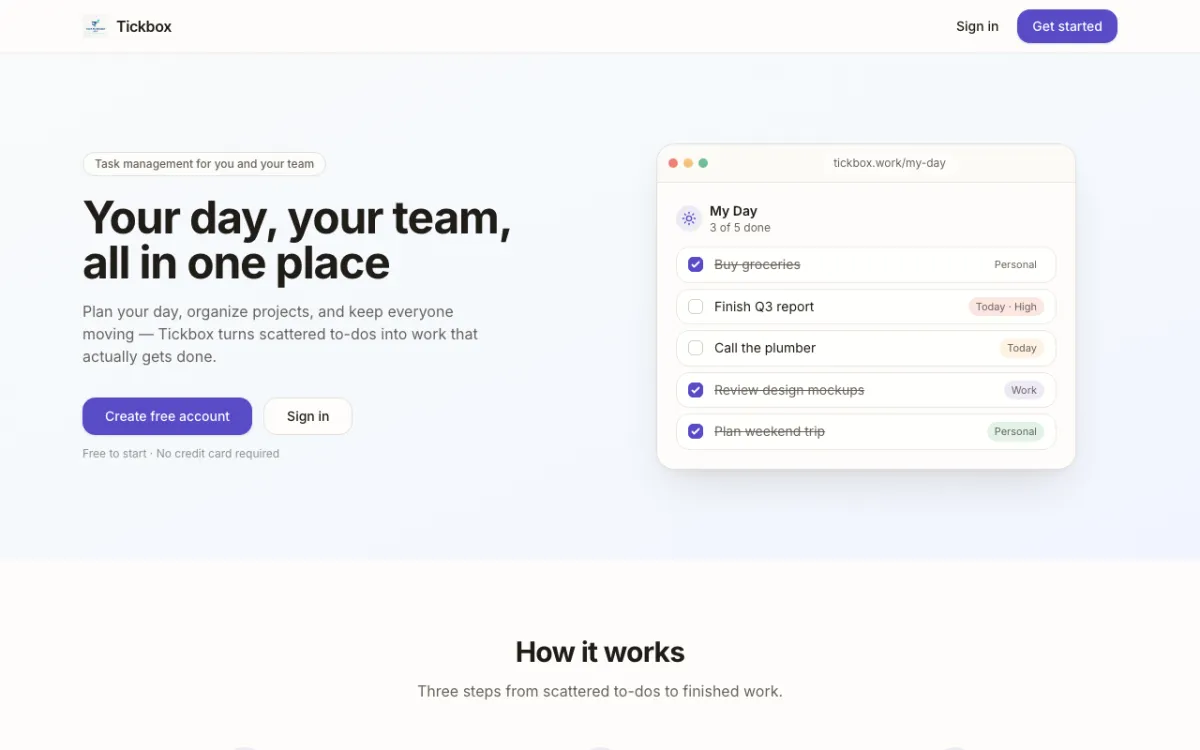
Task management for teams — web, iOS & Android. Used every day by real teams to plan work and hit deadlines.

Projects, sections, recurring work and a My Day view that answers one question: what am I doing today? Teams get shared boards, assignments and nudges; individuals get a calendar, reminders and offline-safe mobile apps. It speaks English and Hindi.

The part I'm proudest of is the plumbing. You can forward a spreadsheet — or a WhatsApp message — at it and an LLM turns it into a reviewable task list before anything is written. Every deploy is gated by an end-to-end browser suite plus mobile flows on real simulators, and rolls itself back if the pass rate drops.

  • Next.js
  • React Native
  • Postgres
Visit tickbox.work →
tickbox.work
TickBox landing page showing the My Day task list

PlanWise

Events, but fun. An event planner that keeps guests, gifts, and every function on schedule.

Built after watching a family wedding get run out of three group chats and a notebook. Guest lists, per-function schedules and who gave what, in one place that a non-technical host can actually operate on the day.

  • Next.js
  • Supabase
Visit planwise.sumitsourabh.com →
planwise.sumitsourabh.com
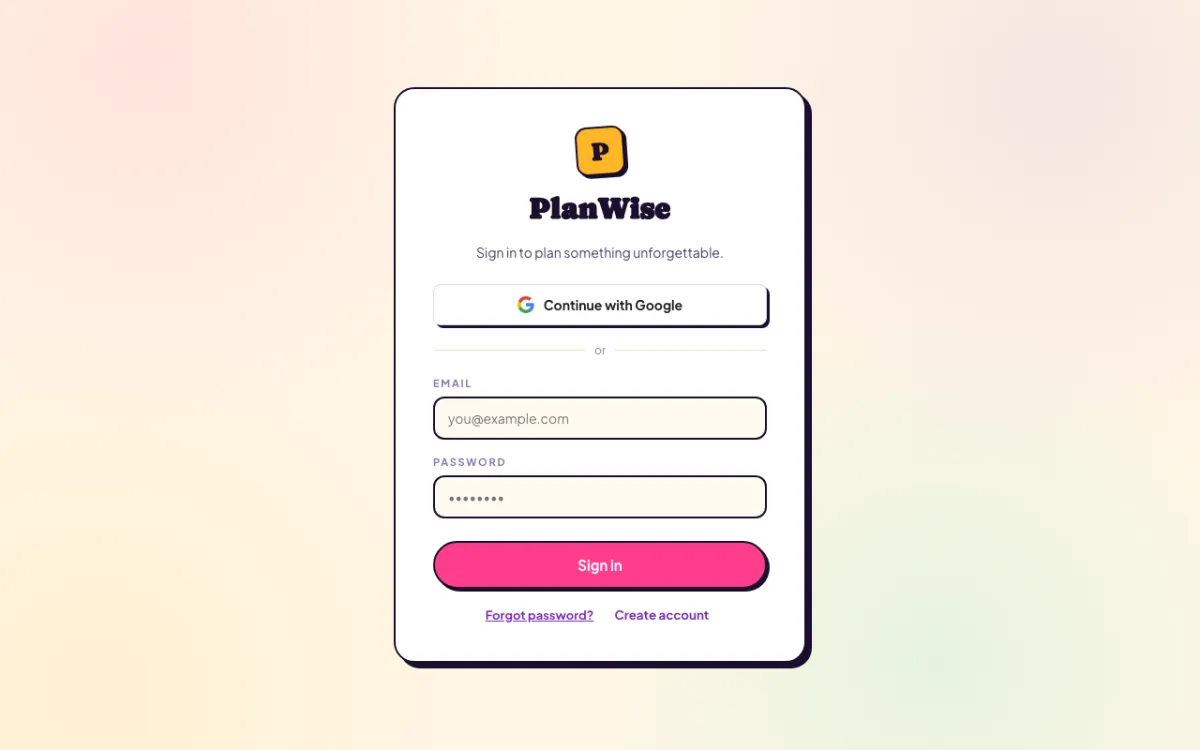
PlanWise sign-in screen

~/now

Now

By day I'm at OPAAI, designing an LLM-driven workflow that turns the software delivery lifecycle into an automated, human-in-the-loop process. Before that I spent four and a half years at Accenture building test automation and LLM tooling for US insurers — Principal Financial Group, USAA, and New York Life. I studied electrical engineering at IIT Patna, where I ran the Tinkerers Lab and have been shipping things since Robocon.

The side projects are not a portfolio exercise — they have users, invoices and a support inbox, which is the fastest way I know to stay honest about what "done" means. Working on both sides at once is the point: the enterprise work teaches me how systems fail at scale, and running my own products teaches me how quickly a small team abandons a tool that gets in the way.

I'm based in India and work remotely. If you're building something with LLMs in the loop and want a second opinion on the system around the model, say hello.

~/how

How I build

I ship small and often, and I let the machine hold the risk. Every project I own gets a real test suite before it gets a second feature — unit tests for logic, a browser suite for the web, and device flows for mobile — because the alternative is being afraid of your own deploy button.

Most of my work now is LLM-driven engineering workflows: using models to do the parts of the delivery lifecycle that are real work but not judgment work — extracting structure from messy documents, generating and maintaining test scripts, triaging failures — while keeping a human on every decision that matters. The interesting problem is almost never the prompt. It's the surrounding system: what you show the reviewer, what you refuse to auto-apply, and how you fail safely when the model is confidently wrong.

My default stack is TypeScript, Next.js and Postgres on the web, React Native on mobile, and boring infrastructure I can debug at midnight. I'd rather run a container on a VPS I understand than a serverless graph I don't.

~/experience

Experience

  1. 2026 —

    OPAAI · Senior Software Engineer

    LLM-driven SDLC automation, systems design & solution architecture. Remote.

  2. 2023

    Accenture · Advanced App Engg Sr Analyst

    Built LLM-driven test-script generation with ~90% accuracy for enterprise insurers.

  3. 2021

    Accenture · Advanced App Engg Analyst

    Cut AWS test-suite memory 50%+; promoted for impact and efficiency gains.

  4. 2017

    IIT Patna · B.Tech, Electrical, Electronics & Communications

    Tinkerers Lab coordinator · Robocon · co-founded a blind-assistance startup.